(Fo Guang University, Center for Buddhist Studies / Jiaoxi, Yilan)
From May 29 to 30, the Center for Buddhist Studies (CBS) at Fo Guang University (FGU), with the co-organization of the Fo Guang Shan Foundation for Buddhist Culture and Education, hosted "The Fourth International Symposium on 'Literatures and Studies of Modern East Asian Buddhism'." Scholars from the US, Germany, Korea, Mainland China, Hong Kong, and Taiwan, alongside participants in the Young Investigators' Colloquium, presented a total of 23 papers. Grounded in rare archival materials, these presentations opened deep inquiries into premodern East Asian Buddhism. Topics revolved around Chan and Esoteric Buddhism, interactions between Buddhism, Confucianism, and Christianity, as well as Sino-American relations. Methodologies ranged from history, linguistics, and philology to intellectual history, covering regions such as Korea, Vietnam, Western Xia, Yunnan, and Taiwan. The research reconstructed the complexities of Buddhist figures, writings, and regions of this period, spanning from the populace to the imperial courts. Over ninety scholars and guests participated enthusiastically online.
"Thank you all for participating and for the good causes and conditions that allowed us to hold this symposium amidst the pandemic!" stated Ven. Tzu Hui, Chairman of the Board of Trustees of Fo Guang University and Special Assistant to the Founding Master's Office of Fo Guang Shan, representing Fo Guang Shan at the opening ceremony on May 29. She expressed that it was Ven. Master Hsing Yun's wish to establish a college of Buddhist studies to bring Buddhism out of the monasteries and into higher education to share its profound depths. She noted that FGU is delighted to serve the academic community by building platforms for exchange. FGU President Yang Chaur-Shin followed by noting that although FGU is a general university, it places great emphasis on Buddhist studies. The university attempts to integrate Buddhism into various fields to enhance its distinctiveness and innovation, closely combining it with social knowledge and application.
The "Project on the Literatures and Studies of Modern East Asian Buddhism" is directed by Prof. Lin Chen-Kuo, Professor Emeritus of the Department of Philosophy at National Chengchi University, and co-directed by Research Fellow Liao Chao-Heng of the Institute of Chinese Literature and Philosophy at Academia Sinica, and Prof. Huang Yi-Hsun of the Department of Buddhist Studies at FGU. Since the project's inception in 2016, through platforms like workshops and symposiums, it has united scholars locally and abroad to undertake the massive task of organizing over one hundred volumes of "Rare Books of Ming and Qing Buddhism" from the 16th to 18th centuries collected by the Center from across East Asia. The fourth symposium was originally scheduled for 2020 but was postponed to this year and held via video conference due to the pandemic. The research topics and perspectives were refreshed once again, bringing the issues under discussion into sharper focus.
Visible Achievements in Literature Collection
The conference began with the book launch of the fourth to sixth volumes of the Series on the Literatures and Studies of Modern East Asian Buddhism, published cooperatively by the Center and Fo Guang Cultural Enterprise between 2020 and 2021. The titles included Buddhism in the Premodern Period: Thought and Culture in a New Perspective (Authored by Sueki Fumihiko; translated by Guo Pei-Jun; proofread by Tu Yu-Chan and Ven. Da Tian), Annotation and Collation of the Xiaoyunqi draft by Japanese Monk Daiten Kenjō (Annotated and collated by Liu Chia-Hsing; supervised by Wang San-Ching), and Selected Rare Commentaries on the Nyāyapraveśa from the Ming and Qing Dynasties (Edited by Chen Shuai and Chien Kai-Ting; supervised by Lin Chen-Kuo).
At the book launch, Prof. Emeritus Sueki Fumihiko of the University of Tokyo and the International Research Center for Japanese Studies used the example of the Japanese monk Houtan Soushun's reflection on the idealistic faith of Edo Buddhism—which coincided with the critical stance of 20th-century Buddhism—to point out that the discovery of new historical materials helps uncover important non-mainstream Buddhist thoughts of the premodern era. Assistant Prof.Lee Chung Ta of the Department of Chinese Literature at Tunghai University and Adjunct Assistant Prof. Li Gui-Min of the Department of History at National Cheng Kung University shared their experiences participating in the Center's literature collection and collation. Prof.Lee Kuei-min was also invited to lead a reading group at FGU, introducing the latest research on Vietnamese Buddhism, which has garnered increased attention from young Vietnamese students.
Peripheral and Popular Topics Take Center Stage
During the general discussion, Prof. Wan Jin-Chuan stated that the mutual permeation between premodern Tibetan Esoteric Buddhism, the Jesuits, and Chinese Buddhism had been a neglected topic. This became a focal point of this year's conference, which was the intention behind inviting Prof. Shen Wei-Rong of the Institute for Advanced Studies in Humanities and Social Sciences at Tsinghua University (Beijing), an expert in this field, to deliver a keynote speech. Shen mentioned that clarifying the historical facts of the rise and fall of the Yuan Dynasty through Western Xia documents highlights the importance of not bypassing texts, particularly the linguistic approach, in historical research.
Prof. Meynard Thierry of the Department of Philosophy at Sun Yat-sen University (Guangzhou) discovered materials in the Vatican and other locations involving the education of Catholics regarding Buddhism. He pointed out that many documents remain unexplored, and these reflect the Buddhist-Christian dialogue sparked by the entry of Protestantism into East and Southeast Asia during the Ming and Qing dynasties. Prof. Lin Chen-Kuo affirmed that several forums clarified the relationship between Chan and Esoteric Buddhism, as well as the popularization aspects involving Tibetan, Manchu, and Mongolian cultures, "opening a new perspective for viewing the development of Chinese Buddhism in the modern era."
Establishing a Banner and Forming a Youth Corps
Prof. Lin Chen-Kuo further affirmed that through the massive collection, collation, and publication of literature, Fo Guang University has seemingly raised the banner of "Research on Premodern East Asian Buddhist Literature" internationally. Researcher Kwak Roe of Dongguk University in Korea exclaimed that the Center has promoted exchange between Korean and Vietnamese Buddhist studies, establishing a platform to integrate scattered documents, resources, and scholars worldwide, igniting sparks of intellectual collision.
Assistant Prof. Chien Kai-Ting of the Department of Chinese Literature at National Cheng Kung University shared via a written statement that looking at the topics presented by young scholars over the years, "they have largely broken away from old selection paradigms. This shows that the Center for Buddhist Studies has played a definite role in advancing premodern Buddhist research among young scholars. From the perspective of international competitiveness, this is the pride of Taiwan's academic community in Buddhist studies!" Prof. Jiang Wu, Director of the Center for Buddhist Studies at the University of Arizona, also affirmed that the Center's annual symposiums have pushed premodern Buddhist research to a new height, while the continuous Young Investigators' Colloquium is cultivating a solid team of successors.
Advancing Separately, Integrating the Era's Narrative
Prof. Wan Jin-Chuan stated that while the fourth symposium marks the successful completion of this phase of the research project, the Center will continue to support the academic community in deepening various topics separately. Prof. Jiang Wu suggested constructing a "narrative" to view the significance of newly discovered materials from a macro perspective, stitching together fragmented research. Wu also proposed using "region" as an integration approach, sharing that the Center for Buddhist Studies at the University of Arizona is conducting a research project on Buddhist culture in Hangzhou ("The Hangzhou Region and the Chinese Creation of an East Asian Buddhism"), promoting an English-language Grand Dictionary of Hangzhou Culture and a historical atlas.
Prof. Wan Jin-Chuan concluded by saying that although the project on the literatures and studies of premodern East Asian Buddhism has concluded, the Center's intention to serve academic research and the financial support from the Fo Guang Shan Foundation for Buddhist Culture and Education have never changed. "I have always believed this is an excellent combination," he said. He also shared that the Center has launched interdisciplinary research projects on Buddhism and is currently conducting workshops on the dialogue between Buddhism and Psychology, which will develop into symposiums to share research results with society and the academic world. (Text / Zhi Wen, May 31, 2021)
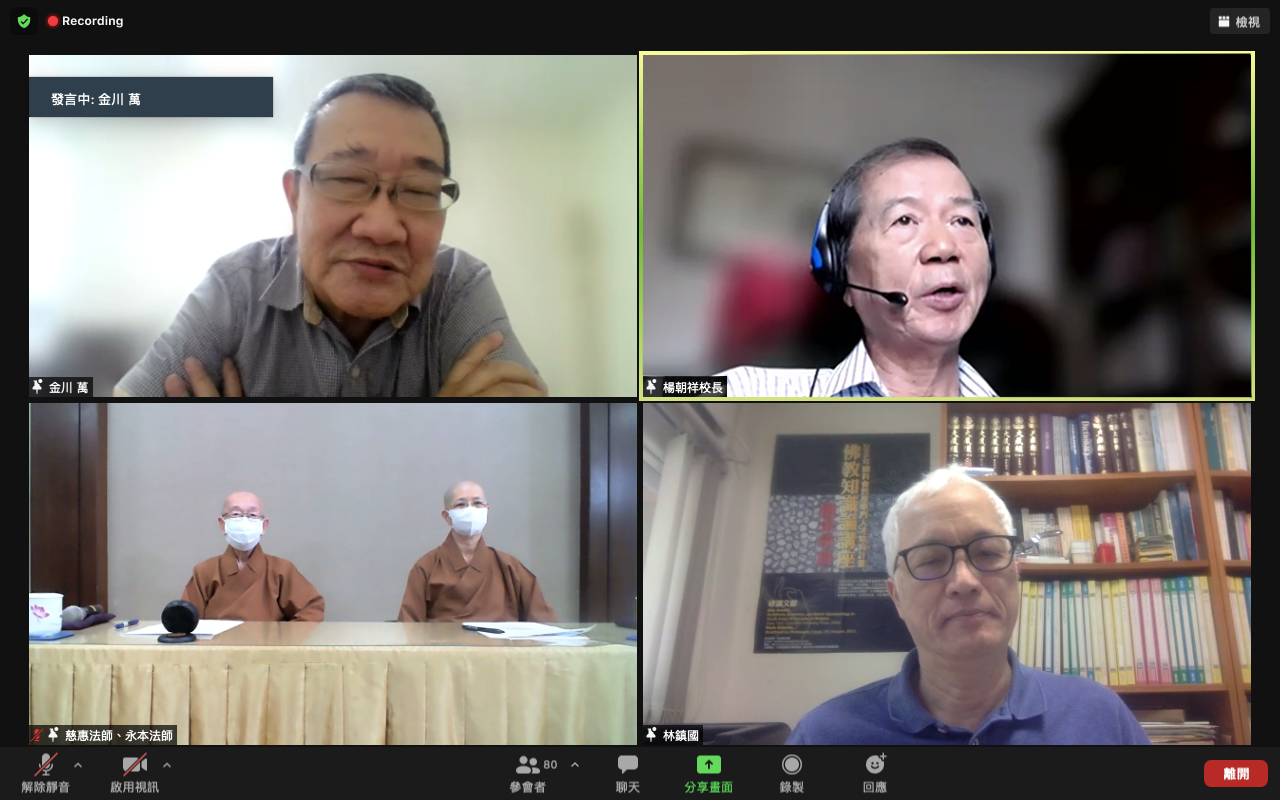
The opening ceremony was hosted by Prof. Wan Jin-Chuan, Director of the Center for Buddhist Studies and Dean of the College of Buddhist Studies. Opening remarks were delivered by Ven. Tzu Hui, Chairman of the Board of Trustees of FGU and Special Assistant to the Founding Master's Office of Fo Guang Shan; President Yang Chaur-Shin of FGU; and Prof. Emeritus Lin Chen-Kuo of National Chengchi University, General Director of the "Project on the Literatures and Studies of Modern East Asian Buddhism."
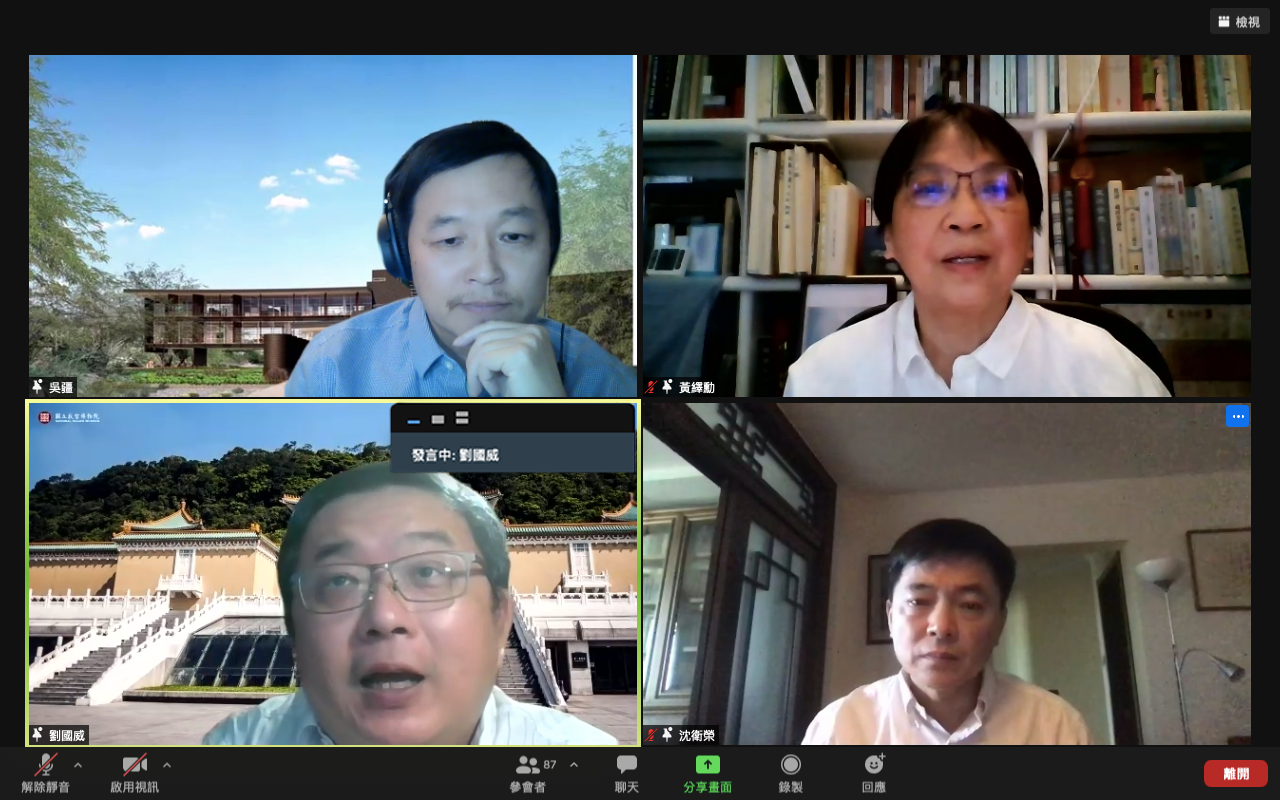
The first session was moderated by Liu Guo-Wei, Section Chief of the Rare Books Section at the National Palace Museum. Reports were presented by Prof. Jiang Wu, Director of the Center for Buddhist Studies at the University of Arizona; Prof. Huang Yi-Hsun of the Department of Buddhist Studies at FGU; and Prof. Shen Wei-Rong of the Institute for Advanced Studies in Humanities and Social Sciences at Tsinghua University (Beijing).
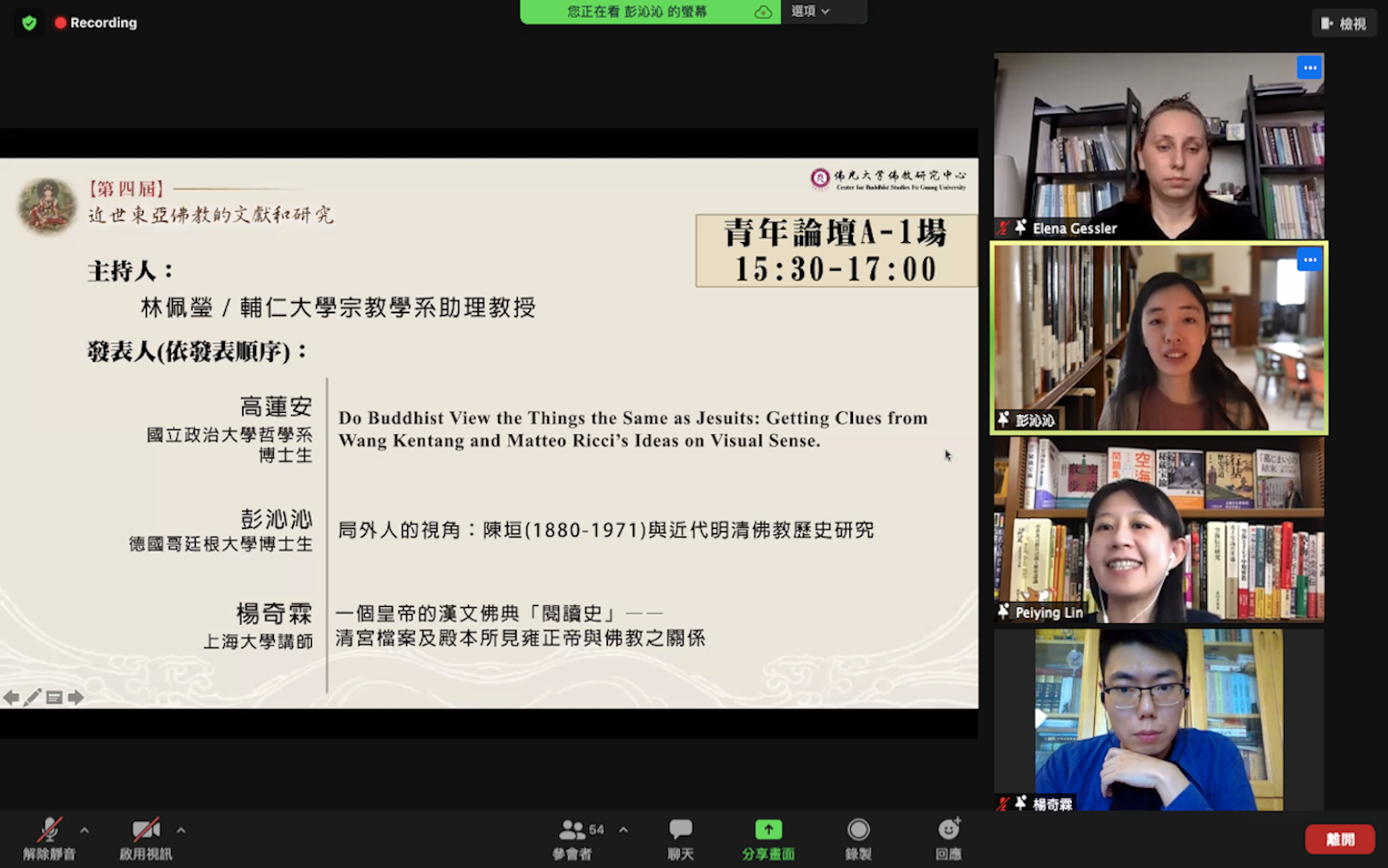
The Young Investigators' Colloquium, held for four consecutive sessions, cultivates a team of young scholars in research on premodern East Asian Buddhism.
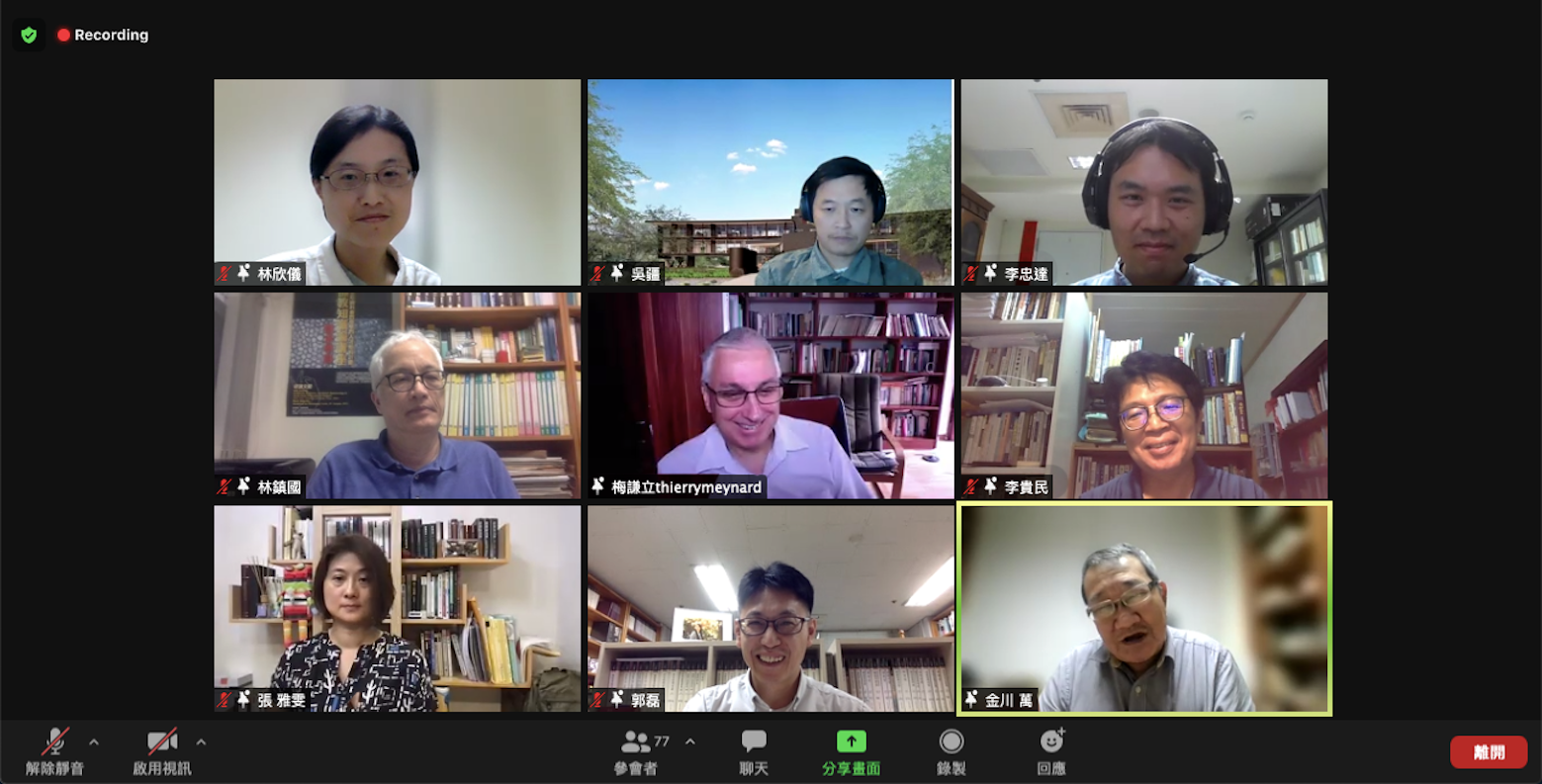
The general discussion summarized the key points of the two-day symposium, raised unfinished topics, and invited young scholars to share their insights.
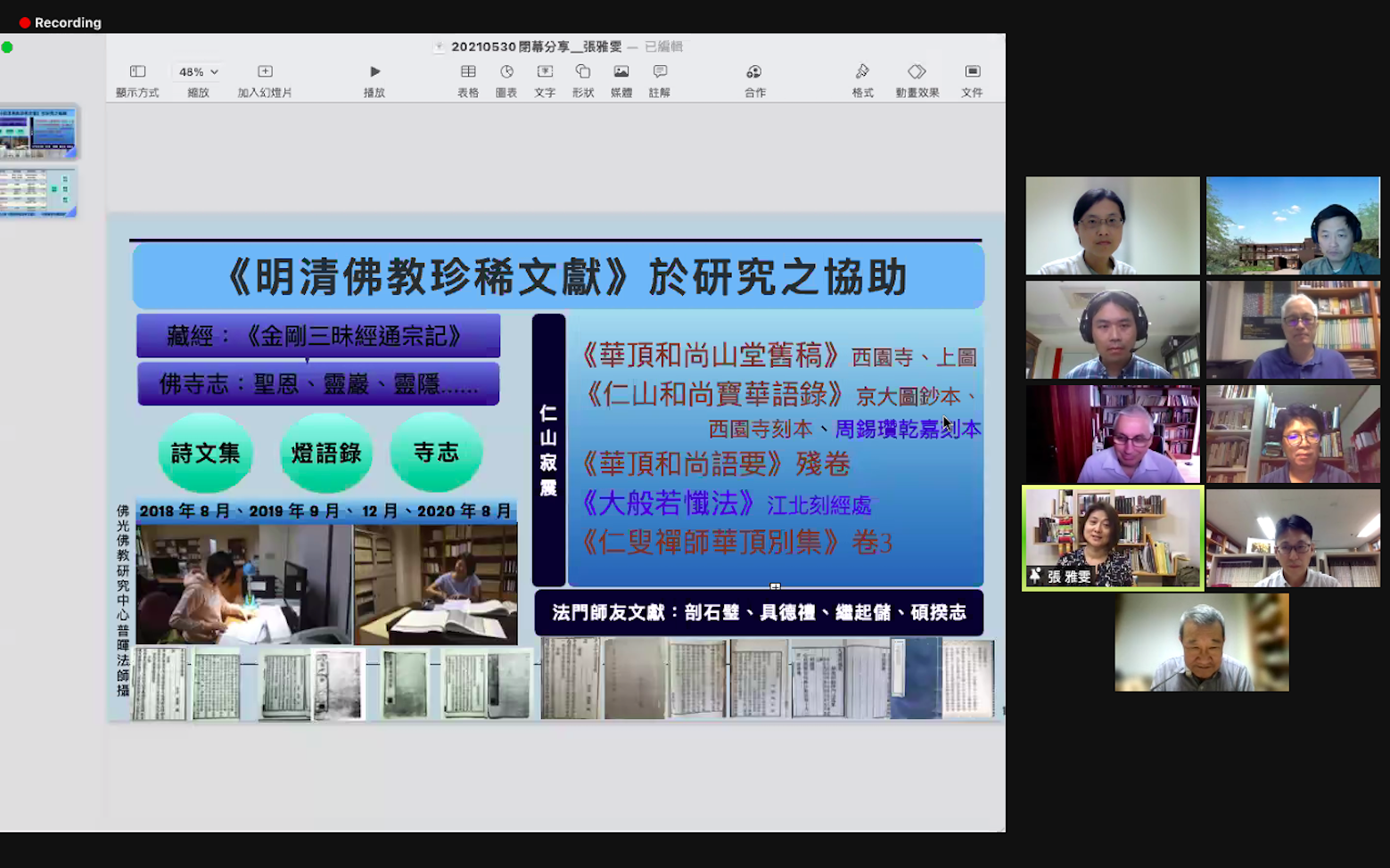
During the general discussion, Postdoctoral Fellow Zhang Ya-Wen of the Chung-Hwa Institute of Buddhist Studies shared her learning journey through participation in the four symposiums.
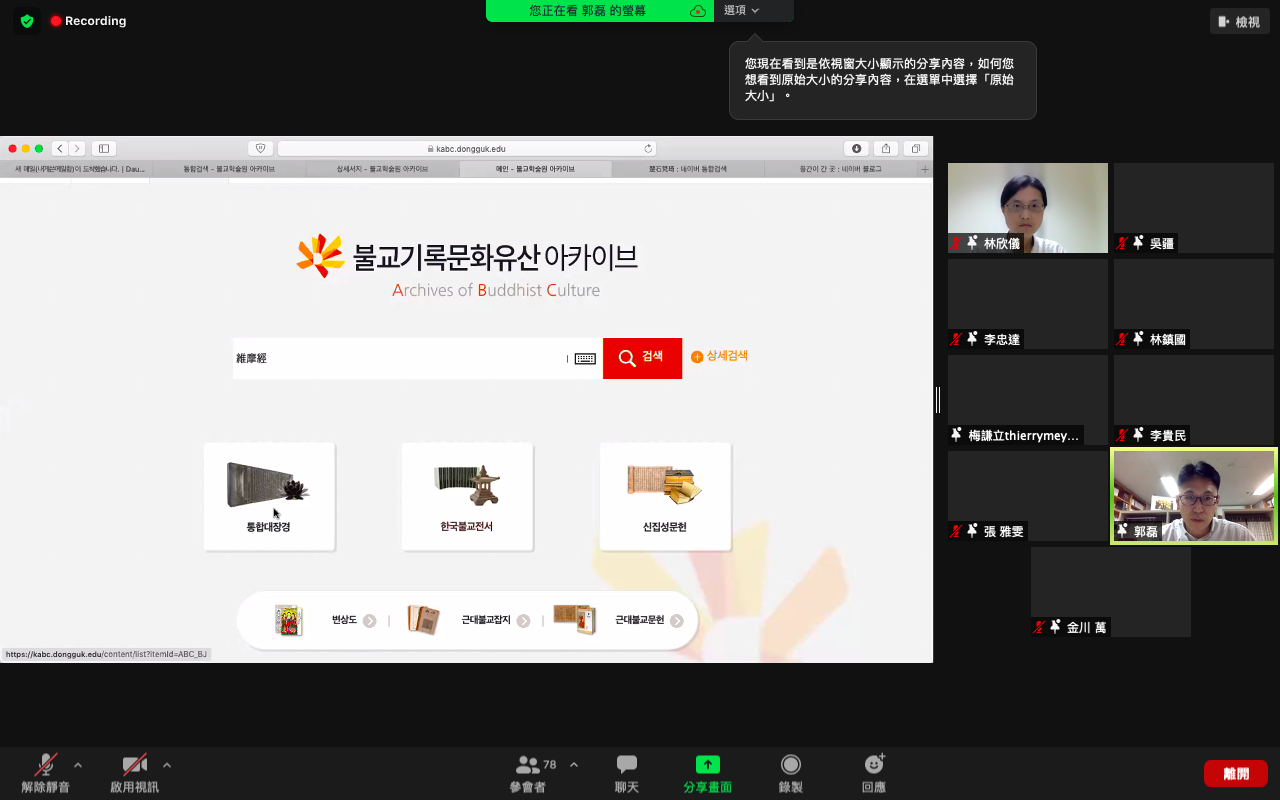
Researcher Kwak Roe of the Academy of Buddhist Studies at Dongguk University (Korea) shared the "Archive of Korean Buddhist Culture" website (https://kabc.dongguk.edu/index).